
Publisher’s update, 27 October 2026: Source-cited corrections were prepared with Codex. Specialist human review is pending; the original contributor’s byline is retained.
Do not force a baby bird’s beak open
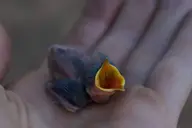
Do not pry open the beak or put food, water, medicine or a syringe into a wild baby bird’s mouth. A bird that will not gape needs assessment; forcing a feed can injure it or send material into its airway. Contact a licensed wildlife rehabilitator or wildlife veterinarian for advice.
A feathered fledgling hopping on the ground may still be receiving parental care. Watch from a distance and keep children and pets away. A sparsely feathered nestling, an injured bird, or a bird caught by a cat needs prompt professional guidance. Do not assume that a parent is absent because you have not seen a feeding visit.
If a professional instructs you to contain the bird, follow their species-specific instructions, use a suitable ventilated box and keep it quiet and away from pets. Do not attempt home rearing. Local bird-flu advice may prohibit handling sick or dead birds; explain the location and symptoms before approaching.
Sources checked 27 October 2026: The Wildlife Trusts: baby birds; RSPCA: baby birds.
Most of the time, it is not recommended that you feed a wild baby bird. Normally, their parents will have this well-taken care of.
If you don’t see parents come to a nest of baby birds, and it’s been quite some time, they could be orphaned. Keep in mind, parents come and go quickly, so you might miss it.