
In this expanded guide: How to Make Bird Food With Oatmeal · Breakfast-cereal questions and suitable bird food · Finding a dead bird near a feeder · Will Birds Starve If I Stop Feeding Them? · Why Do Birds Throw Seeds Out of Feeders?.
Publisher’s update, 27 October 2026: Source-cited corrections were prepared with Codex. Specialist human review is pending; the original contributor’s byline is retained.
Portions, hygiene and seasonal advice matter
You can provide too much food even if individual birds do not eat it all. Uneaten food, crowded feeders and dirty water can create problems. Offer small quantities appropriate to visiting species, remove spoiled food and clean feeding equipment; favour habitat and natural food sources.
For UK gardens, RSPB’s 2026 advice is to pause seed and peanut feeding from 1 May to 31 October because of disease risk. Follow its current seasonal guidance and local outbreak advice. That UK recommendation is not a universal rule for every country or species. Stop feeding and seek local advice if sick or dead birds appear.
Sources checked 27 October 2026: RSPB: feeding in nesting season; RSPB: helping garden birds.
Do you enjoy watching from your window as birds feed in your garden?
If so, you might have wondered if you can overfeed garden birds.
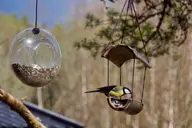
Will Birds Become Dependent on Your Feeders?
Birds are very smart and adaptable creatures.
If their natural food sources dwindle, they will simply turn to other food sources. And, once those food sources become available again, they will quickly go back to eating them.
So, while you may see birds at your feeders every day, that doesn’t mean they are relying on your food to survive.
They are just taking advantage of an easy meal that is available to them.
What to Put in Your Feeder
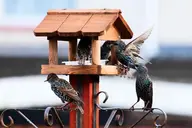
Foods to Avoid Leaving Out
There’s also a short list of foods that shouldn’t be put in bird feeders. The main food to avoid is bread.
Bread is actually not good for birds.
It doesn’t have the nutrients they need and can fill them up without providing them with the energy they require.
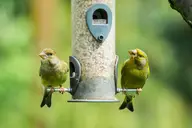
How Often Should You Feed the Birds?
Now that you know what to put in your bird feeder, you may be wondering how often you should fill it.
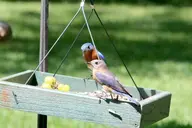
The general rule of thumb is to put out enough food for the birds to eat in one day.
However, this will vary depending on the time of year and the number of birds visiting your feeders.
You should also adjust the amount of food you put out based on the number of birds visiting your feeders.
If you have a lot of birds, you will need to put out more food. And if you only have a few birds, you can get away with putting out less.
Why Only a Day's Worth of Food?
Why only put out a day’s worth of food?
Wouldn’t it be easier to just fill your bird feeder once a week?
Yes, it would be easier, but that’s not necessarily better.
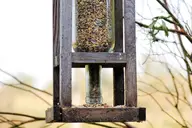
There are a few reasons why you should only put out a day’s worth of food:
- Bird feed is going to attract more than just birds. Mice, rats, squirrels, and other pests are going to be drawn to the food source if it sits in the feeder for too long. This means less food for the birds that you’re seeing in your backyard, and an increase in bacteria and potential disease being brought to the food.
- An empty bird feeder will allow you to clean it before filling it again. All parts of the bird feeder should be cleaned including any glass, perches, or trays. By doing this you can help prevent the spread of disease from pests to the birds.
- You can also monitor the types of foods the birds in your garden like and which ones they don’t. If you notice a pile of one type of seed on the ground under the bird feeder, your birds may not like that food. Instead of spending more money on seeds that they won’t eat, you should change to a different blend.
However, you can put out too much food and attract other pests to your backyard.
Now grab a tea, some binoculars, and maybe a camera and you’re ready to watch the birds that flock to your garden to enjoy the food you’ve put out for them!
How to Make Bird Food With Oatmeal
What Type of Oatmeal Should I Use?
There are a variety of oatmeals that you can use to feed the birds in your backyard. So long as they are not cooked.
Pinhead is good for bird feeders due to its small size. Other varieties like steel-cut, jumbo, or rolled oats are all excellent.
Avoid This: Just do not use instant oatmeal or oatmeal sachets. May instant oatmeal brands can contain additives like milk powder, soy protein, or sugar. These products should not be part of a bird’s diet and can affect a bird’s overall health.
Can I Use Cooked Oatmeal?
Always feed birds raw oatmeal.
If you’ve ever seen the bottom of a pan after cooking oatmeal, you know the deal. There is always a sticky, gloopy residue left at the bottom.
Cooked oatmeal becomes hard and dry and difficult for birds to swallow, and can be potentially dangerous.
Like everything, moderation is key.
How Much Oatmeal Should I Use?
While the benefits of bird food oatmeal are clear, how much oatmeal should you use?
As discussed before, moderation is key so use oats sparingly.
Too much food can also lead to unnecessary waste.
Always Good Idea: Be sure to clean your feeders regularly and keep them free from moldy seeds and feed.
Breakfast-cereal questions and suitable bird food
Check all twelve cereal choices by ingredients
Breakfast cereals are not a complete wild-bird food. Recipes differ by country and change over time; read the current label, avoid sugary or salty products and never serve cereal with milk. Plain uncooked oats can be an occasional option where regional guidance permits feeding; cooked porridge, mouldy food and kitchen fat should be avoided. Prefer suitable bird food to processed treats.
Sources checked 27 October 2026: RSPCA: suitable and unsuitable bird foods.
| Cereal question | Practical check |
|---|---|
| Frosties | Avoid sugar-coated flakes. |
| Lucky Charms | Avoid marshmallows and heavily sweetened mixes. |
| Cornflakes | Check salt and sugar; do not treat as a staple. |
| Cheerios | Check the specific recipe; sweetened versions are unsuitable treats. |
| Muesli | Check every ingredient; avoid sweetened or salted mixtures. |
| Puffed rice | Only plain, unsweetened and unsalted; no milk. |
| Oats | Plain and uncooked; small amounts, with regional feeding advice. |
| Granola | Usually contains added sweeteners or fats; choose a suitable alternative. |
| Grape-Nuts | Check the actual label; a brand name is not a nutritional recommendation. |
| Golden Grahams | Avoid sweetened cereal. |
| Bran flakes | Check salt, sugar and additives rather than assuming wholegrain means suitable. |
| Weetabix | Check the recipe; do not soak in milk or leave soggy food outside. |
Can Wild Birds Eat Frosties
The sugar-coated corn flakes of frosties make them one of the most sugary breakfast cereals around.
Despite the sweet taste, Frosties also have a significant amount of salt present meaning that it is wise to keep them to yourself.
Can Wild Birds Eat Lucky Charms?
Lucky charms is a popular brightly coloured American breakfast cereal that youngsters may want to share with their local garden birds.
It is extremely high in sugar and low in protein and fiber, meaning it will provide very little authentic nutritional benefit for wild birds.
Can Wild Birds Eat Cheerios?
As with most treats, nothing should be to excess as Cheerios have added sugar amongst their ingredients.
Can Wild Birds Eat Muesli?
If muesli is scattered on your bird table, don’t let it get rained on, as it quickly becomes soggy.
Can Wild Birds Eat Puffed Rice?
Always avoid added sugar and salt when serving puffed rice at the bird table.
Can Wild Birds Eat Oats?
Raw porridge oats that birds can peck at are an energy-packed winter food that can be fed to birds on a regular basis.
Finding a dead bird near a feeder
A dead bird near a feeder needs practical care
Keep children and pets away and avoid handling. Record where and when you found the bird, stop feeding if disease is suspected and ask the local wildlife or animal-health authority whether to report it and how to dispose of it. Follow local bird-flu precautions. A dead bird does not establish an omen or a particular cause of death.
Sources checked 27 October 2026: RSPCA: wild-bird precautions.
Avoid contact with the dead body as much as possible.
Use of well-drained trays and feeders. Monitor birdseed frequently to ensure it’s not wet or moldy.
Also, try to dispose of any wet or moldy seeds immediately as they can spread diseases.
Will Birds Starve If I Stop Feeding Them?
Why Do Birds Suddenly Disappear from Feeders? 4 Most Common Reasons
What if you’ve kept your feeder stocked consistently, but the birds have suddenly disappeared?
This is a common and fortunately often short-lived problem, and there are a few things that could be responsible.
See below!
The Season/Weather
Sometimes, birds will disappear from feeders during changing seasons.
A Predator
One of the main reasons that birds disappear from feeders is a predator.
These can show up at any time if they happen to catch sight of the birds gathered at your feeder.
This includes not only cats, but somewhat tragically, many predatory birds hunt smaller birds like songbirds and doves, considering them an easy snack.
It’s Too Noisy
If there’s a lot of human activity, construction, or other noise around a feeder, the birds might take off until later.
They are shy creatures, and when it’s quiet and peaceful, they feel much safer!
Old or Dirty Seeds in the Feeder
Last but not least, while birds are not especially picky, they will sometimes turn down old seeds at a feeder.
It’s important to maintain a clean bird feeder with fresh seeds, as old seeds frequently contain mold and harmful bacteria that can make birds very sick!
When Should You Put Your Bird Feeder Away?
There are also times when it’s advisable to put away your feeder:
- For example, if you think there may be a nearby predator. Birds are quite vulnerable when they’re eating, and maintaining a feeder with hawks or cats nearby could put them at serious risk.
- You may also wish to take the feeder down in heavy rain, so you can refresh it with dry seeds. Damp seeds develop mold quickly and can present a real danger!
Sick birds can easily contaminate a feeder, causing illness to spread.
Why Do Birds Throw Seeds Out of Feeders?
Habitual Removal
Some species, especially ground feeders, have a habit of kicking seeds as they feed.
Poor-quality Seeds
Naturally, birds sift through the seed and pick the ones with a meaty inside. After sorting, they discard the ones they find useless.
Accidental Spills
Accidents occur from time to time.
You might find some seeds falling off as the birds move around the feeder.
What are the Adverse Effects of Fallen Seed?
Besides creating a mess, having seeds all over your garden makes it untidy.
The seeds also increase the risk of infections, something you don’t want to happen to your birds.
Here are some of the effects of leaving fallen seeds in your feeder.
- Increased risk of rodent attacks – seed attracts rodents that might bring with them diseases. These creatures also force you to invest more in feeds.
- Potential infections – when the seed is left unattended, it can grow moldy. Such seeds can be harmful to birds who feed on them.
- Germination – after some time, the fallen seeds might start germinating and create an untidy mess.
How Do You Prevent Birds from Throwing Seed Out?
Below are some of the ways you can use to prevent birds from throwing seeds outside their feeder.
Investing in High-quality Seed
When shopping, always insist on high-quality products.
Avoid buying from dealers who sell cheap seed whose origin is unverifiable.
If you’re not familiar with different bird seed brands, don’t hesitate to ask for help from professionals.
Change the Feeder Type
The two most common types of bird feeders are hanging feeders and table-style feeders.
While the latter is easier to set up, it is also prone to attack by rodents.
Whichever style you choose, ensure that its design prevents seed from falling to the ground.
Specifically, it should be enclosed and roofed to stop water from getting to the food.
Trap the Seed
Lastly, you can opt to install a sieve beneath the feeder to trap the falling seeds.
This is a straightforward process that you can do yourself. All you need is an old sieve that no longer serves its original purpose.