
What Information to Look For in a Plant Description
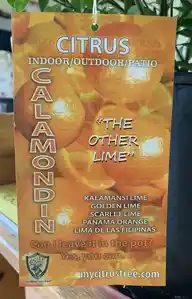
There are several things you need to know about a plant’s preferred growing conditions to be sure it will grow well in your indoor space.
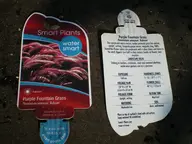
Table of Contents
Light Requirements
One of the most important limiting factors in plant growth is light; how much and how strong. Plants sold as indoor houseplants will generally be described as needing low light, bright indirect light or direct light. This refers to the strength of light they receive. The descriptions may also include how many hours of light the plant requires, from 3 or 4 up to all day (8 or more hours).
Outdoor garden plants are described as needing shade (less than 4 hours of direct sun), part sun/shade (4-6 hours direct sun) or full sun (6 or more hours direct sun). Remember that sunlight through a window or filtered by sheer curtains will be less intense than outdoor sunlight. As a result, a plant may tolerate more hours of direct sunlight indoors than if it were grown in the garden outside.
Humidity
Indoor humidity levels tend to be too low rather than too high for most plants, especially tropical houseplants. Most of these, as their name suggests, are native to humid environments, and will often require the use of a small humidifier or hand-misting with a spray bottle regularly to stay healthy.
Plant Size
When choosing plants, be sure to note how big the plant will get at maturity; what will be its maximum height and spread (width). Some plants will grow tall but stay manageably narrow, while others will grow fronds that aren’t tall but like to spread out and take up a lot of space.
The size of the container may control the ultimate size of a plant, or a plant can be pruned back to keep it to a desirable size, but it’s best to choose a plant that will stay within the space you have designated to grow it. In some cases, a plant can’t be pruned without causing permanent damage to its overall shape or health.
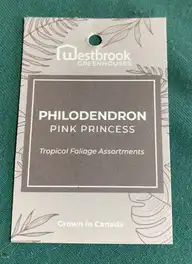
Be sure to have a clear idea of what space you can provide for a plant in the long term. Also understand that a cute and tidy young plant may soon outgrow the corner of your desk.
Toxicity and Health Risks
If you have small children or pets in your home, then another important consideration when selecting plants is whether or not they pose a health risk. Be sure to research potential risks of a plant before bringing it into your home.
About the Author