

Just like the hot summer sun can wreak havoc on the lawn, the harsh winter winds and snow can also do damage; that’s why it’s recommended to take care of the lawn a few weeks before winter starts.
One of the critical responsibilities for winter preparations is mowing the lawn, but should you trim the grass long or cut it short for winter?
Moving closer to the final mows of the season, it’s recommended to gradually lower the cutting deck to ease the lawn into an overall lower height (2 to 2.5 inches). This is because a clean lawn and a shorter cut will winterize your yard to set it up for both winter survival and early spring lawn success.
As winter approaches, the advantages to taller turf begin to diminish.
The tall blades become a hiding place for pests looking to overwinter and heaven for funguses and mold to develop.
Long Vs Short Grass: Which Is The Best for Winter and Why?
Most lawn care experts recommend keeping your lawn short before the winter snow comes.

This is because:
- Rodent infestation
- Lawn diseases and grass rot
- Snow mold
Rodent Infestation
During the winter, lawn rodents such as moles and voles, also commonly referred to as field mice, make a meal out of the snow-covered lawns by chewing runways through the grass.
You may not notice the damage they are causing to your lawn until after the snow melts.
Prevention is the answer. Making your lawn as inhospitable to mice as possible is how to do it, and this can be accomplished by keeping the grass short before winter.
If you leave your lawn long in the winter, field mice will nibble on it.
Wonder Why: This is because they will require long grass to shelter themselves to keep warm in the winter and secure from the various predators.
Lawn Diseases and Grass Rot
A disease-causing pathogen needs two things for it to flourish: a host and the right environment.
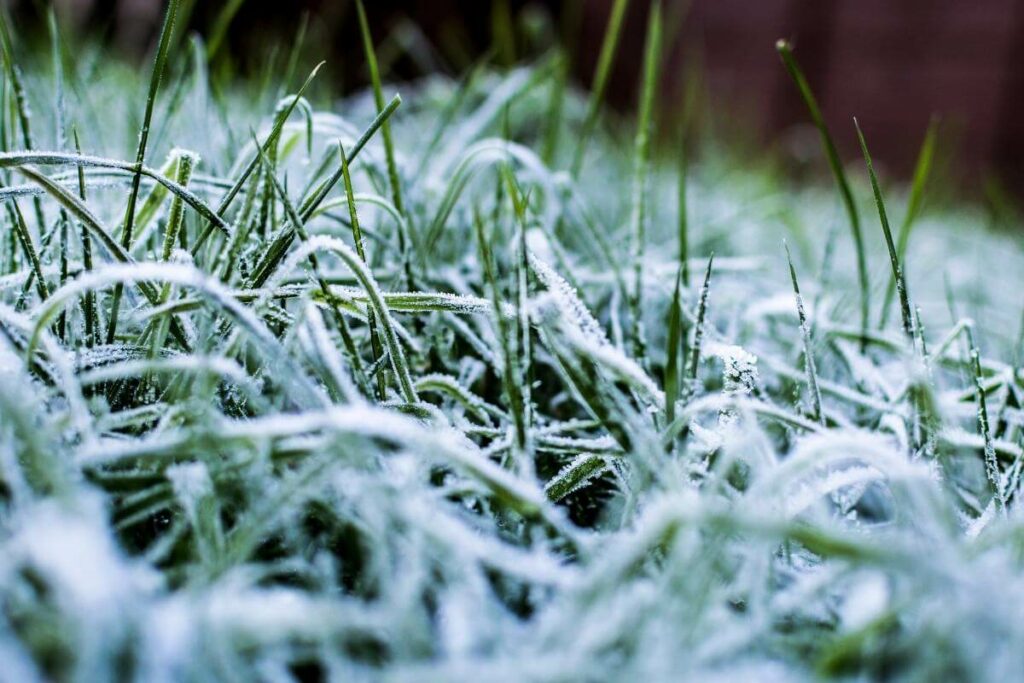
Tall grass, and overly wet conditions are among the many attractive conditions in which fungus thrives.
This is because, when the snow hits the ground, the long grass that’s lengthy enough to bow over will buckle under the weight hence getting matted to the ground or other blades.
This will disrupt the airflow around the blades, and the moisture from the snow won’t evaporate; hence these encourage fungal diseases such as brown patches and powdery mildew, which cause grass rot.
So, as much as you want to skip trimming your lawn before winter, you might want to think twice before you ignore the yard.
Having long grass in the winter sends an open invitation to grass diseases. Furthermore, disease-causing pathogens can’t survive on a short lawn.
Consider This: A fungicide may help control severe infestations, but it’s not always the best treatment method since it’s only effective when you apply them as a preventative measure.
Snow Mold
When the snow melts, a gray or pink crusty layer appears on lawns.
This is known as snow mold. Snow mold typically dies when the area dries up from snowmelt; however, some turf may be highly affected or already dead.
This is frequent in yards that have not been properly prepared for winter.
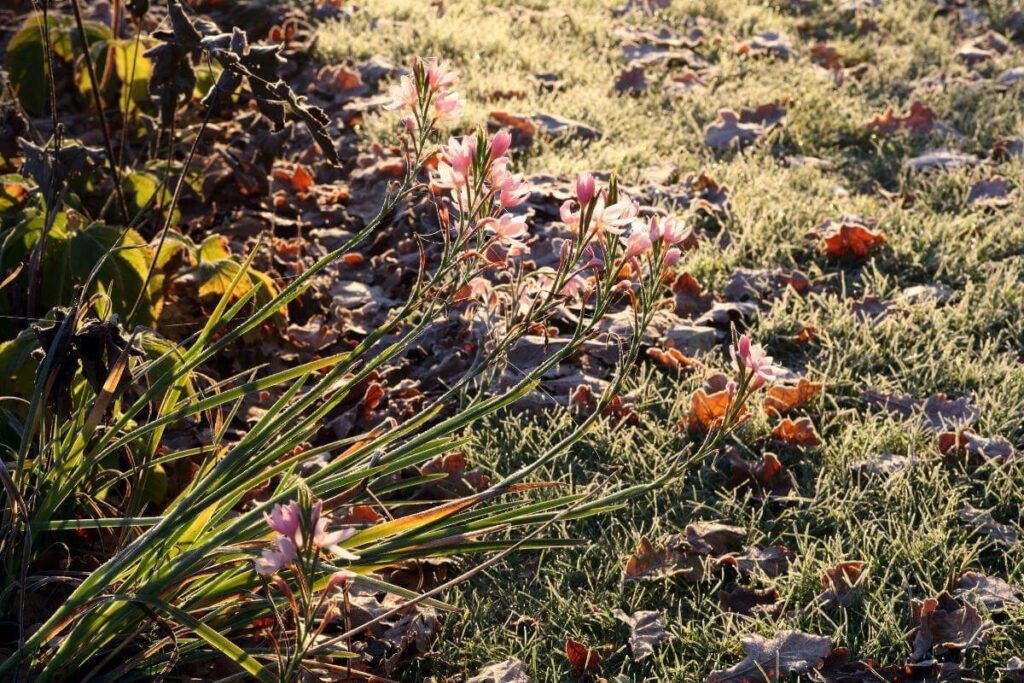
When early snow occurs, it melts quickly since the ground is still relatively warm, and if the grass was left long in fall, it creates the perfect breeding ground for snow mold to start growing.
Furthermore, the long grass provides a blanket to this moisture trapping it at the soil’s surface, making the grass soggy and cold for snow mold to thrive underneath it.
So, cutting the grass short before the first heavy snowfall will help decrease the chances of snow mold; this is because short grass will expose the ground, allowing it to freeze out more quickly.
What Is The Ideal Height for Your Grass in the Winter?
Most experts will advise you to get your grass blades as short as possible as winter approaches but not all at once. You want to take it down to the shortest length you can without scalping it, but don’t remove more than 1/3 of the blade length at a time.
A solid understanding of how short of cutting your grass before winter comes is the first step in learning how to care for your lawn before colder temperatures arrive.
The cold weather can stress or harm your grassroots or leaves if you trim it too short or too long.
There is no consensus on the precise height on how short you should trim your grass in the winter since different grass species or kinds (warm-season grasses and cool-season grasses) may require different lengths to survive in the winter.
| Grass Type | Ideal height for winter |
|---|---|
| Perennial Rye grass | 2 to 2.5 inches |
| Tall Fescue grass | 2 to 2.5 inches |
| Fine Fescue | 2 to 2.5 inches |
| Bentgrass | 1.5 to 2 inches |
| Kentucky grass | 2 to 2.5 inches |
| Bermuda grass | 1.5 inches |
| Centipede grass | 2.5 inches |
| Zoysia grass | 1.5 inches |
| St. Augustine grass | 2.5 inches |
| Buffalo grass | 2.5 inches |
Even without this detailed information, there are still basic standards you may follow for any grass.
Ultimately, by the end of the season, your lawn should be around 2 to 2.5 inches tall.
That is the sweet spot because it helps your grass maximize its photosynthesis during the severe winter months, allowing it to remain resilient.
Even Better: This height also encourages root development and increases stress tolerance in advance of cold winter conditions.
The Type of Grass You Are Growing
Lawn mowing frequency depends on the type of grass and how fast it grows.
Cool Season Grass
They are used throughout the North and thrive best in temperatures between 50- and 80-degrees F during fall and spring.
They stay vibrant green even when covered in the snow or frost for an extended period and survive subfreezing temperatures.
Therefore, under the right conditions (no ice or snow), you should mow it regularly to promote healthy growth.
Watch Out: Never mow your lawn when it is wet and frosty, as this can damage the turf and compact your soil.
Warm-season Grass
This grass grows fastest in a hot climate, preferring temperatures between 80 to 90 degrees F, and is commonly used in lawns in the south.
Even under hot weather, it can still grow and display its lush green color.
However, they lose their green color once the winter temperatures drop below 50 degrees F and will turn into a straw color and go into dormancy; thus, mowing won’t be necessary.
Examine the kind of grass you have by checking the blade’s shape, width, and type of blade tips. Some grow below-ground stems, while others grow above-ground stems or both.
How Fast Your Lawn Grows in Winter?
Northern (cool-season) grasses, like those cultivated in Northeastern Ohio, become dormant when the soil temperature falls below 40 to 45 degrees Fahrenheit.
In contrast, warm weather grasses do so when the temperature drops below 50 to 55 degrees. In a dormant state, the grass reduces its metabolic activity, allowing it to conserve more energy.
The frequency with which you must mow your lawn is determined by how rapidly the grass grows.
They don’t cease growing entirely; most winter growth in a grass bed is insignificant.
Hence, you won’t have to mow during winter unless the grass grows too long and when weather conditions are right.
Does My Lawn Require Winter Watering?
Observing the condition of your lawn is the easiest and best way to determine the amount of water needed.
Therefore, it is vital to research the winter requirements of the type of grass species you are growing.
What Is The Right Time To Water Your Lawn In Winter
The time you water your lawn during winter has a significant effect on the health of the lawn.
Ideally, it would help if you watered it in the morning to allow moisture to soak into the soil and eventually get absorbed by the grass.
Also, watering at night may encourage fungal growth.
Is My Brown Grass Dead
During the winter, your lawn may turn from a pleasant green to brown.
It may also look dry and dead. However, just because your yard turns brown does not mean the grass is dead.
In Most Cases – Your lawn has warm-season grass, which becomes dormant during winter. The grass will revive to its green color when the surroundings become warmer during spring.
However, some of the grass roots may die off after a harsh winter, and your yard may not look as nice due to the patches.
In this case, you can try over-seeding during the spring.
Some homeowners mix cool and warm season grass varieties in their yards to ensure a green lawn throughout the year.
However, it is best to plant a species suitable for your climate and location.
Final Thoughts
The ideal grass height for winter is between 2 to 2 ½ inches high.
By following the recommendation of the perfect grass height for winter, you’ll protect your lawn from insect infestation, snow mold, and other fungal diseases.
Also, your grass won’t become the shelter for lawn-destroying rodents.
Getting the height and trimming correctly can help the plants survive the coldest of winter and come out greener and thicker than ever before.