

Publisher’s update, 27 October 2026: Source-cited corrections were prepared with Codex. Specialist human review is pending; the original contributor’s byline is retained.
Natural materials still need a safety assessment
Use these ideas for supervised garden discovery, not as instructions for homemade climbing equipment. Have raised structures, anchors and fall zones assessed by a competent playground designer. Avoid hanging loops, unstable stacked logs and choking-size loose parts for young children. Check materials for splinters, contamination and toxic plants.
Keep water play under direct adult supervision and empty containers afterwards; ponds need barriers appropriate to local requirements. Tasting activities require positively identified edible plants and clean produce. Do not offer foxglove, lily of the valley or unidentified plants as touch-and-taste choices.
Sources checked 27 October 2026: CPSC: home playground design.
Looking for some natural playground backyard ideas? You’ve come to the right place.
There are heaps of benefits of a natural backyard playground and they’re becoming more and more popular among parents.
Creating a natural playground in your backyard can be really fun and there are ideas for every budget and skill.
One of the great things about creating a backyard like this is that your kids can help – they’re often much more creative than us at thinking up these ideas.
What is a natural backyard playground?
For anyone new to the concept of natural playgrounds, the idea is simple.

A natural backyard playground is one that is created from natural resources like:
- earth
- wood
- water
- stones
- and rope
Let’s take a look at some of the countless natural playground backyard ideas out there.
Stumps
Tree stumps make perfect additions to any natural backyard playground.
Encompass it in an obstacle course, turn it into a seat, or craft it into a fairy house. The possibilities are endless!
If you have removed a tree stump and want to create something from it, there are lots of ways to do so.

Logs
Since we’ve talked about stumps, it makes sense to talk next about logs.
Logs are almost as versatile as stumps!
You might want to smooth them out a little so they’re not as rough, but this depends on what you intend to use them for.

What’s great about logs is that you can put them anywhere and kids will just use their imagination.
One minute it’ll be a train, the next they’ll be walking the plank off a pirate ship.
Hollow logs
If it’s not big enough to climb inside, you can be creative with it to make a shoot for pinecones to roll down or pebbles.
Rocks
Alternatively, use smaller, smooth rocks in a construction area.

Add a couple of buckets or a wagon and encourage your youngsters to bring out their inner engineer.
Or an outdoor balance to play around with weight.
Using the landscape
If your backyard isn’t flat and has some natural ups and downs, this should definitely be taken advantage of!
When you’re creating your own natural backyard, the natural landscape should be harnessed to make the playground unique and original.
Trees
We’ve mentioned tree stumps and logs already but another thing you should definitely make use of are any established living trees in your yard.

Create a creative zone
Dedicate a space in your backyard that is devoted to creating, engineering, and general tinkering with things.
Simply provide resources like acorns, leaves, twigs, pinecones, bark, vines, dried bamboo, or whatever else you have to hand, and let your children get creative.
Build a mud kitchen
There’s something about mud that most children just love, and a mud kitchen is an ideal place for children to develop their creativity and roleplay skills.
There are loads of wonderful designs for mud kitchens on Pinterest, for example, but all you really need is:
- a child-sized bench
- some wooden bowls
- and wooden utensils
When winter comes, a mud kitchen is really easy to convert into a snow kitchen too!
A sandbox

There are loads of ways you can add a sandbox into a natural backyard playground, and you can be creative in how these fits into the backyard.
You don’t need to go down the traditional-looking sandbox route.
There are some creative ideas online with some people even filling old wooden boats with play sand to create a desert island feel.
One thing’s for sure, no matter how you add the sand box or sand pit, your kids will want tools to rake, dig and move the sand.
Create a mark-making area
Mark-making is so important for growing kids.
It’s great to get paints out every now and then but sometimes you want something a little less messy.
In a natural playground, there are so many options.
You could create a mark-making wall with framed areas for ‘painting’ with brushes and water.
You could even incorporate chalkboard paint inside some of the frames and give them different ways to make pictures.
Create a construction area
Often, when given the right resources, kids come up with the best ideas!
A natural playground construction area is a great place for kids to develop their engineering skills.
Create a sensory garden
A natural backyard playground should still be a living garden with plants and flowers.
One way to incorporate plants into your natural playground is to create a sensory garden.

This is a garden area that offers differing sensory experiences.
It will stimulate the senses either individually or in combination.
Here are some ideas of what a sensory garden could contain:
Let’s look at each of these in more detail.
Natural, textured surfaces
Kids love to touch things and a sensory garden is an ideal place to encourage them to do so.
Create a kid-friendly sensory wall with natural textures.
You could use bark, bamboo canes, pebbles, sand, pinecones, grass, or any other natural materials you can think of.
Another idea is to grow bamboo and ornamental grasses that rustle when you touch them.
Natural musical instruments
There are some fantastic outdoor musical instruments available to buy online for natural playground backyards.
However, you don’t need to buy anything at all.
Some hanging sticks, slides of tree trunk, and a mallet will still make great sounds!
Plants with vivid colors
When talking about sensory gardens, it’s often easy to forget the visuals and concentrate on the other senses!
An area with bright flowers (reds, yellows, and oranges) will bring energy and draw the eye.
These are a great idea for areas where you want to encourage activity.
Cool colors like blues and purples, on the other hand, are ideal for a quiet reflection area.
Reds, oranges, and yellows

Here are some ideas for bright, warm plants:
Herbs and fragrant plants

Here are some great ideas for a full sensory experience in your backyard playground:
- Basil – this is easy to grow and just touching the leaves will release their delicious scent.
- Sage – pluck a couple of leaves and crush them to release their scent.
- Curry plant – unlike many herbs which are sweet, the curry plant leaves smell like curry spices!
- Mints – there are lots of different varieties of mint and it’s such a delicious scent.
- Scented geraniums
- Lavender
- Chocolate cosmos – gives off a delightfully sweet chocolate aroma
Things to taste
Depending on the season and where you live, you can create a great space where kids can taste things!
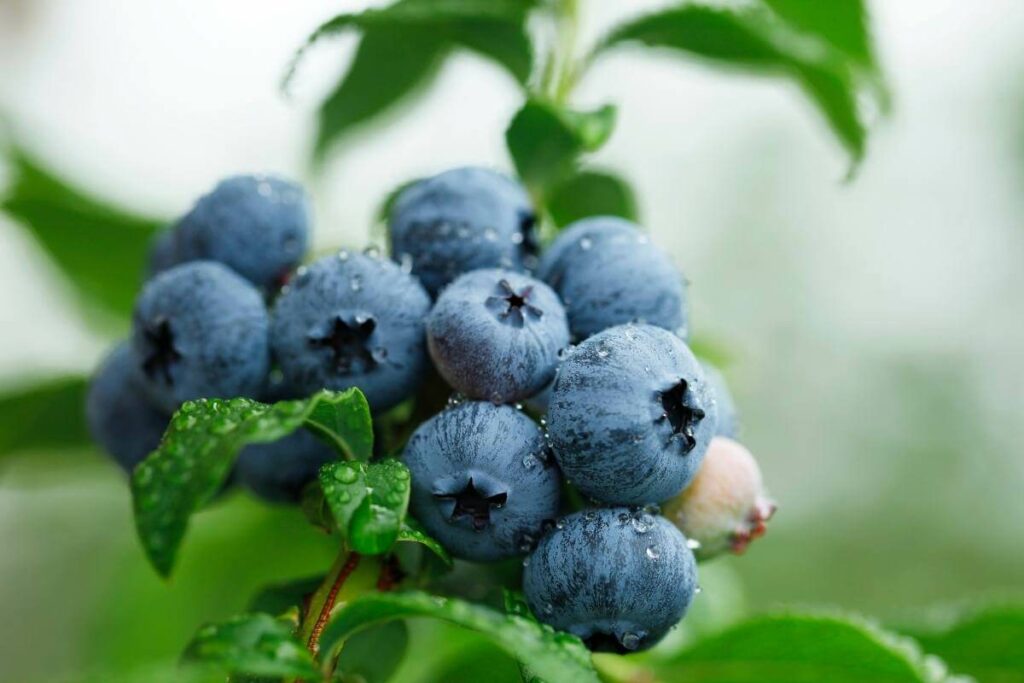
Here are some ideas for things to grow:
A barefoot walkway
A barefoot trail is a great way of getting kids to experience different textures underfoot.
It’s a good idea to mix up a range of fixed and loose surfaces.
Here are some things you could add in your trail:
Other natural playground backyard ideas
There are so many other ideas we’ve got that it’s impossible to share them all!
If you haven’t already got enough ideas, here are some more to get you thinking:
Final thoughts on natural backyard playgrounds
Most kids, when provided with the right equipment, will make their own fun!
Create your natural backyard playground in such a way that there are endless learning and play opportunities for your kids.