How To Create A Microclimate In Your Garden: Step-By-Step Guide
Creating a microclimate in your garden requires a series of careful steps and an understanding of how microclimates work.
All types of gardens exist, such as edible, raised bed, ornamental, container, indoor, greenhouse, soilless, small space, therapeutic gardening, and xeriscaping. What matters is what your goals are with your garden. These will determine what kind of garden works best for you, and you can start building that garden from there. Plus, you’ll know what kinds of resources you’ll need to help you. Let us know what you think of ours and what sorts of results you’re seeing for your particular garden type.
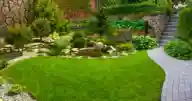
Creating a microclimate in your garden requires a series of careful steps and an understanding of how microclimates work.
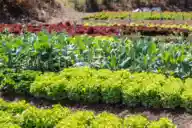
Whether you have a backyard or just a sunny deck or patio, with a bit of planning you can grow vegetables in spaces large or small. Here are some ideas to help you do just that.
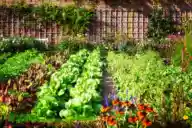
Designing a vegetable garden layout isn’t complicated or difficult. Taking the time to plan what you want to grow and then draw a design on paper will mean better success, and it can save you from overspending on plants you won’t have room for.
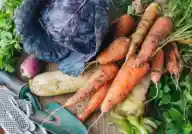
Growing vegetables in the winter can be difficult, but it gets easier when you know the best ones.
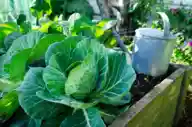
Maintaining your vegetable garden requires different steps for each season. But each step is essential to the health and growth of your vegetable garden.
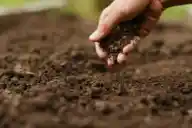
I know from experience you need to start with great soil to grow great vegetables. All year long, I am doing something or other to make sure my garden has good, healthy soil.
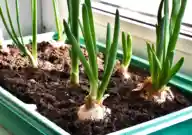
Thankfully, growing a few small vegetables in your home or other living space is not difficult. However, you do have some important things to think about before starting. But with some careful planning, the process will be easy and successful.
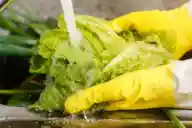
If you’re like me, you work hard to build your soil organically, stay mindful of the water you use, and avoid using synthetic fertilizers or pesticides. But does this mean you can get away with not cleaning your vegetables? Specifically, does this mean you can get away with not washing them? I wish it did.
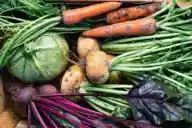
Compare twenty garden vegetables and beginner selection criteria, matching crops to local conditions, space, available care and family preferences.
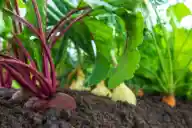
Whether it is your first or twentieth time planting a vegetable garden, following a few key steps will guide the process and bring your vision to life. Here’s what to do, starting with deciding what to grow!
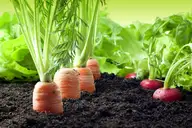
New gardeners can find themselves shocked at the amount of work required to succeed. So, we’ve provided you with all the essential pros and cons of vegetable gardening below, which we hope will help you decide if you want to do it.
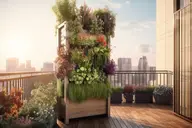
Are you a passionate planter pressed for space? Don’t let limited square footage hinder your horticultural ambitions. Vertical garden towers are here to save the day, allowing you to grow an array of plants in a compact and efficient design. These innovative planters have been designed with urban dwellers, small-space enthusiasts, and aspiring green thumbs…
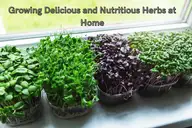
In this article Growing Delicious and Nutritious Herbs at Home: A Comprehensive Guide, we will explore the world of herbs, including their ease of cultivation, common culinary uses, and the health benefits they provide.
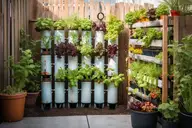
Learn how to build and setup your very own hydroponic Garden with our ultimate guide.

Learn about the benefits of crop rotation in your garden, including improved soil health, pest and disease control, and higher yields. Discover how to plan and implement a successful crop rotation system and maximize the productivity of your garden.
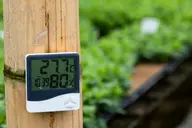
Let’s make sure you have the Ideal Greenhouse Temperature and Humidity to grow a wide variety of plants.
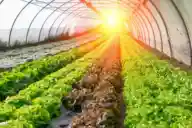
While there are many ways of heating a greenhouse, using insulation, compost, electrical heating, thermal mass energy, and solar are the commonly used methods. Read our guide to find out more.

Some plants do not require a lot of sunlight and can survive the harsh winter conditions as long as they are grown in a temperature-controlled greenhouse. For instance, all green vegetables such as cabbage, kales, carrots, and broccoli can thrive in greenhouses.

Different mushroom species require different conditions for optimum growth. However, with the right growing conditions and proper harvesting, you can have a steady supply of mushrooms for months.
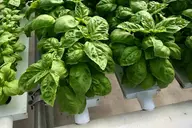
One of the best ways to get basil fresh in your kitchen is to grow them yourself. Hydroponics is a good solution, even for beginners. Besides being a dirt-free approach to growing basil, you can produce a significant amount in small home spaces.
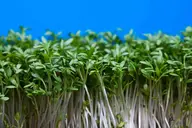
What you may not know, is that watercress can be grown without soil! This guide will show you how to grow watercress in a container using just water and organic matter.
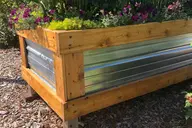
The planters come in various makes and models, all sizes, with various attractive features. One of the most common features you can exploit in planters is the self-watering mechanisms.
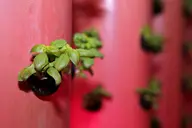
Sometimes just called fogponics, this unique way of growing plants is changing the way we garden. If you’re new to the idea, don’t worry. We will explain everything you need to know.
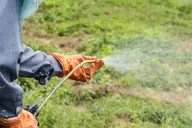
Organic insecticides come from natural or plant-based sources, making them less harmful to the environment. Here is a list of some of the best organic insecticides for use in vegetable gardens.
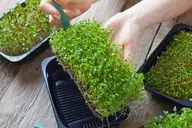
Innovations like trays for microgreen growing make it possible to grow herbs at home, in an environment that most people consider unconventional.
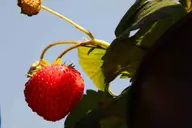
If your worry is the availability of garden space, you have the option of planting strawberries in hanging baskets and pots.
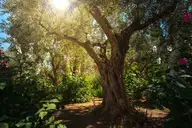
If this sounds like “the dream” for you, we have compiled the ultimate forest garden guide, to equip you with everything you need to know to get into forest gardening.
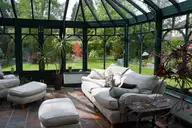
Compare sunroom and solarium designs, glazing, ventilation and growing conditions, and identify the site-specific quotes and approvals to obtain.
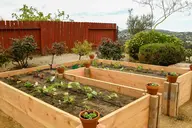
Most raised beds are wooden. However, it can be challenging to identify the best wood for your backyard garden.

Of course, you can! It is not as simple as most people think, but it is doable. Here is the process you should follow if you want to get it done.